🐉 Otherkin
Alterhuman Identities
By the Inner Therian team · Last updated October 10, 2026
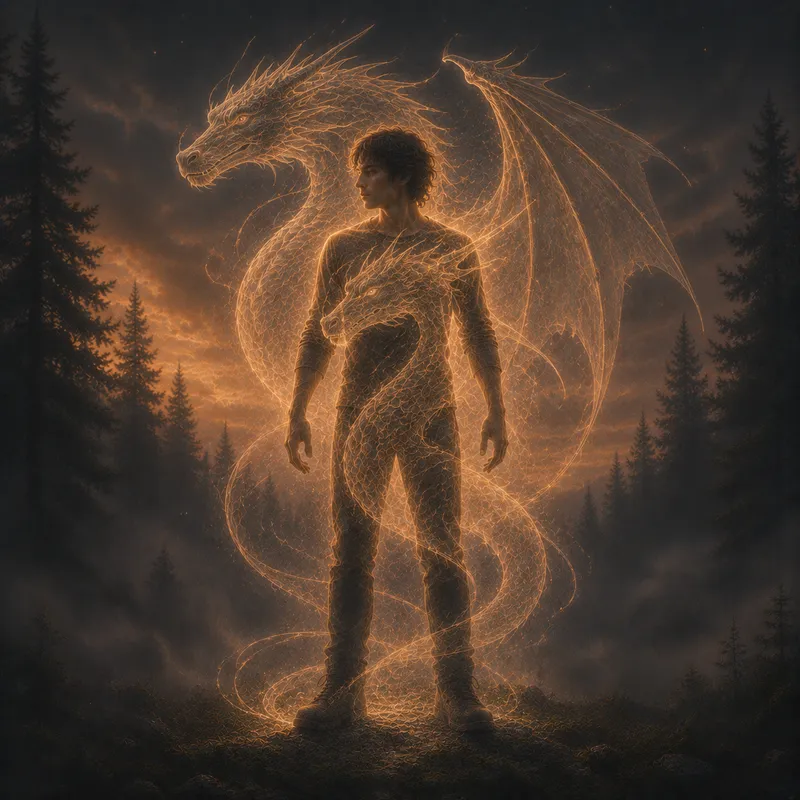
Otherkin are people who identify as a non-human being that is mythical or fictional — like a dragon, elf, or angel — rather than a real earthly animal.
Otherkin and therians overlap heavily and share the alterhuman umbrella; the key difference is simply real animal (therian) versus mythical/fictional being (otherkin). Identifying as a mythical animal specifically is sometimes called theriomythic.
A short history of the word
The word otherkin is generally traced to online communities of people who identified as elves in the early 1990s. It was meant as a friendly catch-all — "kin" who were "other" than human — and for a while it covered almost anyone with a non-human identity, real animals included.
Over time the therian community kept its own name and history, and "otherkin" settled into its most common meaning today: identifying as a being that is mythical, legendary or fictional. Both groups now sit under the wider alterhuman umbrella, and many spaces welcome both.
Kintypes: what otherkin identify as
The being an otherkin person identifies as is called their kintype. (Therians use the narrower word theriotype, because their type is always a real animal.) Kintypes are as varied as human imagination, but some come up often:
- Creatures of myth and legend — dragons, gryphons, phoenixes, unicorns, kitsune.
- Folklore beings — elves, fae, and similar figures from traditional stories.
- Spiritual or religious figures — such as angels, for people whose understanding is spiritual.
- Fictional species or characters from books, games or films. People with these kintypes often use the term fictionkin.
Identifying as a mythical animal specifically — a dragon or a gryphon rather than an elf — is sometimes described as being theriomythic. Our dragon page looks at that experience in more depth.
Where otherkin and therian overlap — and where they don't
The two experiences are close cousins. Both are involuntary, both are non-physical, and both can include shifts such as mental or phantom shifts. The dividing line is simply what the identity is: a real, earthly animal, or something beyond that.
| Therian | Otherkin | |
|---|---|---|
| Identifies as | A real animal | A mythical or fictional being |
| Word for the type | Theriotype | Kintype |
| Chosen? | No | No |
| Physical change? | No | No |
A few cases cause friendly debate. Extinct animals are real, so a dire wolf or mammoth identity counts as therian (paleotherian). Some people hold both a theriotype and a mythical kintype at once. In practice, use whichever word feels most accurate — nobody needs to hand in a form.
Common misunderstandings
- "It's just liking fantasy." Loving dragons in books is a hobby. Otherkin describe a sense of being that being, which persists whether or not they're engaging with fantasy media.
- "Fictionkin are obsessed fans." A fictionkin identity isn't about being a big fan of a show. Many fictionkin describe recognising themselves in a character or species, sometimes uncomfortably so.
- "Otherkin believe they have wings or magic." Otherkin don't claim physical non-human bodies. Sensing wings, for example, is a felt phantom experience, not a physical one.
- "It's roleplay." Roleplay is a voluntary performance you start and stop. An otherkin identity is something people describe as always there, including in completely ordinary moments.
Being otherkin also isn't a mental illness. Like anyone, otherkin can benefit from support when they're struggling, and that support should address the struggle rather than the identity.
Explaining it to people who've never heard of it
Otherkin sometimes find coming out harder than therians do, because "I'm a wolf inside" is easier for people to picture than "I'm a dragon inside." A few approaches help:
- Lead with how it feels, not the creature: "There's a part of me that has never felt human, and this is the closest description I've found."
- Reassure people early that you know your body is human and you aren't confused about reality.
- Keep the first conversation short and offer to answer questions later.
And remember: being private about it is a perfectly good choice. The identity doesn't become more real by being announced.
Questioning whether you're otherkin
Try asking yourself gentle questions over a few weeks rather than in one sitting. Have you felt this way for a long time, through changing interests? Does it feel like recognition rather than admiration? Does it show up in quiet, everyday moments? If you instead feel a deep bond with a creature without being one, otherhearted might fit better. Our identity quiz can help you sort through the differences.
🌟 In Short
- You identify AS a mythical or fictional being
- It's involuntary, like therianthropy
- Real-animal = therian; mythical/fictional = otherkin
Otherkin FAQ
What is the difference between otherkin and therian?
A therian identifies as a real, earthly animal. Otherkin identify as a mythical, legendary or fictional being. Both identities are involuntary and non-physical.
Is a dragon identity otherkin or therian?
Because dragons are mythical, a dragon identity falls under otherkin. Identifying as a mythical animal is often called theriomythic, and many dragon-identifying people feel at home in both therian and otherkin spaces.
What does fictionkin mean?
Fictionkin are otherkin whose kintype comes from fiction — a character or species from a book, game, film or show. It describes identification, not fandom.
Can you have more than one kintype?
Yes. Some otherkin have several kintypes, and some have a mix of mythical kintypes and real-animal theriotypes.
Do otherkin think they have magic powers?
No. Being otherkin is about inner identity. Otherkin know their bodies are human, and sensations like phantom wings are felt rather than physical.