🌱 Copinglink
Alterhuman Identities
By the Inner Therian team · Last updated October 10, 2026
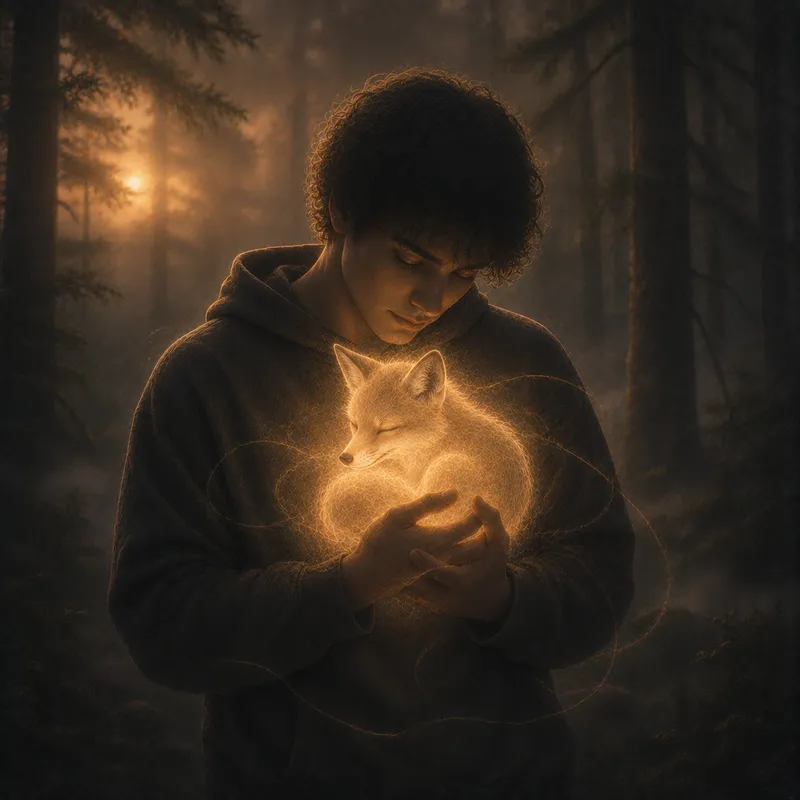
A copinglink is a consciously and voluntarily created identity, adopted as a way to cope, find comfort, or for personal meaning — and it can change over time.
Unlike a therian or otherkin identity (which are involuntary and intrinsic), a copinglink is chosen and flexible. That doesn't make it less meaningful — it's simply a different, self-directed kind of connection, and choosing it is completely okay.
Why people choose a copinglink
A copinglink is built on purpose, and the purpose is usually personal wellbeing. People describe adopting one to:
- Find calm — imagining the steadiness of a bear or the stillness of an owl during stressful moments.
- Feel braver — drawing on the confidence of an animal or character they admire when facing something difficult.
- Feel less alone — having a sense of connection that's always available.
- Express themselves — giving shape to feelings that are hard to say in ordinary words.
The link can be with a real animal, a mythical creature or a fictional character. What makes it a copinglink isn't the being; it's the conscious choice to take it on.
What it can look like in practice
Copinglinks are flexible, so no two look the same. Some people simply hold the identity in mind as a comforting frame: "When I'm anxious, I'm the cat curled up somewhere safe." Others weave it into small rituals — a grounding object, a particular piece of music, a drawing they keep nearby.
Because it's voluntary, a copinglink can be turned up when it helps and set aside when it doesn't. Some people keep one for years; others use one through a hard season and then let it go. Both are perfectly fine.
How a copinglink differs from therian and otherkin identities
| Copinglink | Therian / otherkin | |
|---|---|---|
| How it starts | Consciously chosen | Discovered, not chosen |
| Can it be dropped? | Yes, when it's no longer needed | Generally no — it's described as part of who you are |
| Main purpose | Comfort, coping, meaning | Describing an existing sense of self |
Neither is more "real" than the other. They're simply different kinds of experience. A therian can even have a copinglink alongside their theriotype — for example, a deer therian who has chosen a protective bear copinglink for tough days.
It's also worth comparing it with being otherhearted: both involve a meaningful bond, but otherheartedness is usually described as unchosen, while a copinglink is deliberate.
Using a copinglink in a healthy way
A copinglink can be a lovely tool, and like any coping tool it works best as part of a bigger toolkit. A few gentle guidelines:
- Let it add support, not replace it. If you're dealing with anxiety, low mood, grief or anything heavy, a copinglink can sit alongside talking to a trusted adult, friend, counsellor or doctor — not instead of them.
- Check in with yourself. If the link starts to feel like a way to avoid everything rather than a way to cope, that's a sign to reach out for extra support.
- Keep it kind. A copinglink should make you feel safer and more like yourself, not more isolated or ashamed.
Our resources page lists places to find support if you need it.
Copinglinks in alterhuman spaces
Many alterhuman communities welcome copinglinkers, and the label exists precisely so people can be honest about how their identity works. Using the right word helps everyone: it avoids confusion when therians and otherkin talk about involuntary experiences, and it means your own experience is described accurately rather than squeezed into a box that doesn't fit.
If you're not sure whether your connection was chosen or discovered, that's a fair question to sit with. Our identity quiz can help you think it through.
🌟 In Short
- It's a chosen, voluntary identity
- Often adopted for comfort or coping
- It can change or be set aside over time
Copinglink FAQ
Is a copinglink less valid because it's chosen?
No. A copinglink is honest about being chosen, and that's exactly what makes it a valid identity in its own right. Chosen doesn't mean meaningless.
Can a copinglink be a fictional character?
Yes. Copinglinks can be real animals, mythical creatures or fictional characters — whatever brings comfort and meaning.
Can you have more than one copinglink?
Yes. Some people have several, each for different situations, and they may change over time.
Can a copinglink turn into a therian identity?
Sometimes people realise, through reflection, that what they thought was a chosen link was actually an involuntary identity all along. Your understanding of yourself is allowed to grow, and changing your label is normal.