🔥 Feral / Berserker Shift
Therian Shifts
By the Inner Therian team · Last updated October 10, 2026
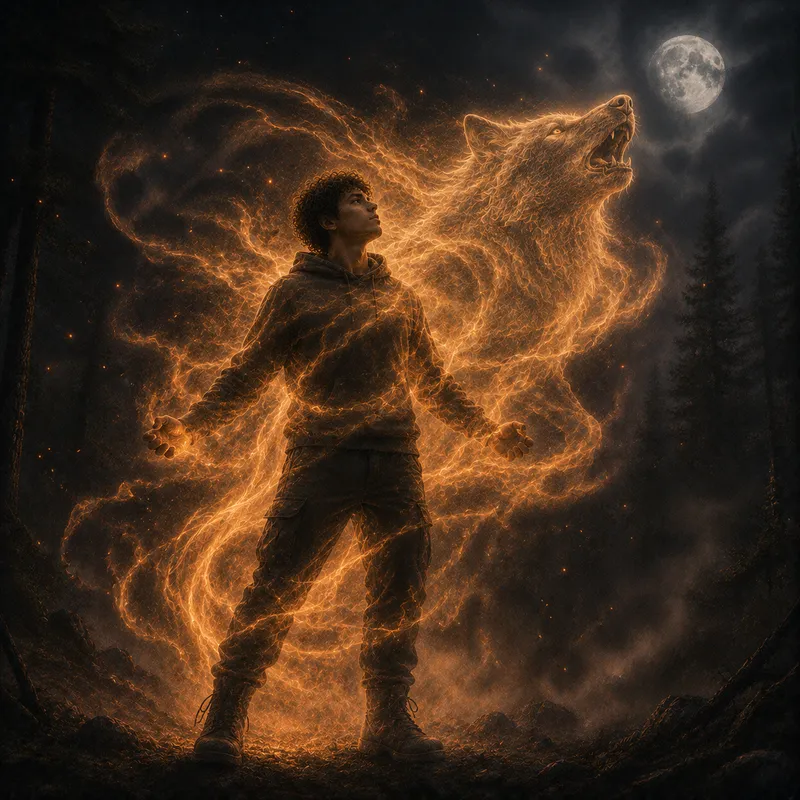
A feral or berserker shift is an intense mental shift during strong emotion, where instinct briefly overrides logic.
These usually arise with powerful feelings such as anger. The community is clear on one point above all: a shift is never an excuse to harm anyone. Self-control always comes first, and grounding techniques help you stay safe and present.
What a feral shift can feel like
Therians who describe feral or berserker shifts usually talk about something sudden and loud — a mental shift that arrives on a wave of strong emotion rather than drifting in gently. Instincts feel close to the surface, and careful, wordy thinking is harder to reach.
Much of what people describe overlaps with the body's ordinary stress response: a racing heart, tense muscles, fast breathing and a narrowed focus. The theriotype often shapes how that energy wants to come out:
- Predator therians, such as wolves or big cats, may feel an urge to growl, stand their ground or bare their teeth.
- Prey therians, such as deer or rabbits, more often describe a powerful urge to bolt, freeze or hide.
So feral shifts aren't only about anger. Fear, panic, frustration and feeling cornered are all commonly mentioned triggers.
The non-negotiable rule
The therian community is united on this: a shift is never an excuse to hurt anyone — not another person, not an animal, not property, and not yourself. No matter how animal you feel, you are still a person who is responsible for your actions.
This isn't about suppressing who you are. It's the same responsibility every human has when they feel angry or scared. Being therian doesn't change it, and anyone who suggests otherwise misunderstands the identity.
A plan for when you feel one coming
Feral shifts are much easier to manage if you've decided ahead of time what you'll do. Many therians find a simple plan like this helpful:
- Notice the early signs. Clenched jaw, heat in the face, a fizzing restlessness, the urge to snap. Learning your own signs is the most powerful step.
- Create distance. Leave the room or the conversation. "I need a minute — I'll be back" is enough.
- Slow your breathing. Breathe in for four counts and out for six or eight. Longer out-breaths help the body calm down.
- Give the energy a safe outlet. Splash cold water on your face, squeeze a pillow, take a brisk walk somewhere safe, or shake out your arms and legs.
- Bring words back. Name what you're feeling, out loud or in writing. Language helps pull you back toward a human headspace.
The grounding ideas on our mental shift page work well here too.
Afterwards
When a feral shift fades, people often feel drained, shaky or a bit embarrassed. That's normal. Rest, drink some water and eat something if you can. Once you feel steady, it can help to think back gently: what set it off, what helped, what you'd do differently. If you snapped at someone, a simple, sincere apology repairs a lot.
Making them less frequent
You can't always prevent strong emotions, but you can lower the pressure that tends to build into feral shifts:
- Sleep and food: tired, hungry brains react faster and harder.
- Regular movement: exercise is a healthy way to burn off restless energy. If that includes quadrobics, warm up your wrists, shoulders and hips and practise on soft, safe ground.
- Track your triggers: a short note after each episode quickly reveals patterns — certain people, places, times or stresses.
- Talk things out early: sharing frustrations before they build up leaves less fuel for an intense shift.
When to reach out for help
Please talk to a trusted adult, school counsellor, doctor or therapist if strong anger or panic feels out of control, if it happens often, or if you have hurt — or come close to hurting — someone or yourself. A good professional will help you manage the emotions; they don't need to "fix" your identity, because your identity isn't the problem. If anyone is in immediate danger, contact local emergency services. Our safety page and resources page have more support options.
🌟 In Short
- An intense, emotion-driven mental shift
- Often triggered by strong feelings like anger
- Never an excuse to harm others — self-control comes first
Feral / Berserker Shift FAQ
Is a feral shift an excuse for aggressive behaviour?
No, never. The therian community is clear that you remain responsible for your actions during any shift. Feeling instinctive doesn't make harming others acceptable.
What is the difference between a feral shift and a normal mental shift?
A mental shift is a change in headspace that can be gentle and pleasant. A feral or berserker shift is a much more intense version driven by strong emotion, where instinct feels like it's pushing ahead of logic.
Do all therians have feral shifts?
No. Many therians never experience them. They're one possible kind of shift, not a sign of being a "stronger" or more authentic therian.
Can prey-animal therians have feral shifts?
Yes, though they're often described differently — more as an intense urge to flee, freeze or hide than to fight.
How do I calm down from a feral shift quickly?
Step away from the situation, breathe out slowly, use cold water or movement to release energy, and name your feelings in words. Practising these steps when calm makes them easier to use in the moment.