💤 Dream Shift
Therian Shifts
By the Inner Therian team · Last updated October 10, 2026
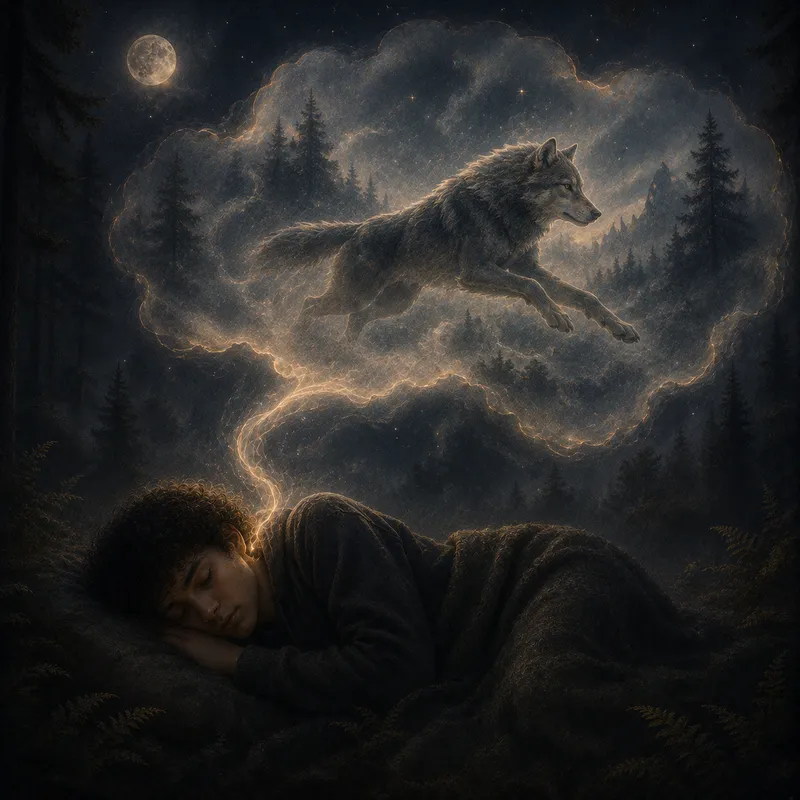
A dream shift (d-shift) is experiencing yourself as your theriotype within a dream.
Many therians find dream shifts lovely and affirming. One gentle caution: since anyone can dream of animals, a dream shift on its own isn't proof of being a therian — but as one experience among others, it can be deeply meaningful.
What dream shifts are often like
In a dream shift, you don't just see your theriotype — you are it. Therians commonly describe:
- Moving through the dream on four legs, on wings, or swimming, and it feeling completely natural.
- Experiencing the dream through animal senses — scent trails, sharp hearing, wide vision.
- Feeling animal emotions and priorities: hunting, playing, hiding, keeping watch, being with a pack or family group.
- Waking with a lingering sense of the animal body, sometimes with phantom sensations that fade as you get up.
Some dream shifts feel like being fully animal with no human awareness at all. Others feel like being yourself in animal form, still able to think in words. Both are commonly described.
Dreaming about an animal vs. dreaming as one
Dreams draw on memories, feelings and things we've seen recently, so dreaming about animals is extremely common — therian or not. A few features tend to separate a dream shift from an ordinary animal dream:
- Perspective: you experience the dream from inside the animal's body rather than watching it.
- Familiarity: being that animal feels like home, not like a strange adventure.
- Consistency: the same animal keeps appearing, often matching your theriotype.
- Connection: the dream fits alongside your waking experiences, like mental shifts or a lasting sense of identity.
Vivid, story-like dreams happen mostly during REM sleep, which comes in cycles through the night and gets longer toward morning. That's one reason dream shifts are often remembered best just before waking.
Keeping a dream journal
Dreams fade fast, so writing them down is the single most useful habit if you want to understand your dream shifts. A simple method:
- Keep a notebook or notes app by your bed.
- When you wake, stay still for a moment and replay the dream before you move or check messages.
- Write down what animal you were, what you could sense, what you did, and how it felt — even fragments count.
- Add a line about your day before: mood, stress, anything animal-related you saw.
- Read back every few weeks and look for patterns.
Over time a journal can show whether one animal keeps returning, whether dream shifts cluster around certain moods, and how they connect to your waking life. It's also a useful companion if you're working through awakening.
Lucid dreaming and sleep health
Some therians enjoy trying to become lucid in a dream shift — realising "I'm dreaming" while staying in the dream. Gentle approaches include keeping a dream journal and doing quick "am I dreaming?" checks during the day.
Please don't sacrifice sleep to chase dream shifts. Waking yourself repeatedly through the night or staying up very late can leave you exhausted and moody, and tired brains tend to remember dreams less clearly anyway. Regular sleep and wake times, a calm wind-down and a dark, cool room support both good sleep and better dream recall.
When dreams are difficult
Not every dream shift is pleasant. Prey-animal therians sometimes describe being chased or hunted, and any therian can have dreams of being trapped, hurt or separated from others. After a hard dream, it can help to get up briefly, drink some water, turn on a soft light and remind yourself where you are.
If nightmares come often, leave you scared to sleep, or affect your days, talk to a trusted adult or a doctor. Disturbed sleep is very treatable, and getting help with it has nothing to do with changing who you are.
How people interpret dream shifts
Some therians see dream shifts psychologically — the mind expressing an identity it already holds. Others see them spiritually, as a time when the animal self is closer. Many keep an open mind. Dream shifts are also distinct from astral shifts, which some therians describe within a spiritual framework as out-of-body experiences rather than dreams.
🌟 In Short
- You are your theriotype within dreams
- You may experience the world in animal form
- On its own it isn't proof — but it can be meaningful
Dream Shift FAQ
Does dreaming I'm an animal mean I'm a therian?
Not on its own, since anyone can dream of being an animal. Dream shifts are most meaningful when they're recurring and fit alongside a lasting, waking sense of identity.
Can I have dream shifts into an animal that isn't my theriotype?
Yes, many people dream of being different animals. A recurring animal that also appears in your waking experiences is usually the more meaningful signal.
How can I remember my dream shifts better?
Keep a dream journal by your bed, write as soon as you wake, and keep a regular sleep schedule. Good sleep tends to improve dream recall.
What is the difference between a dream shift and an astral shift?
A dream shift happens within an ordinary dream. An astral shift is described, within a spiritual framework, as an out-of-body experience in animal form.